
Václav Havel and the Quiet Power of Speaking Truth Without Volume
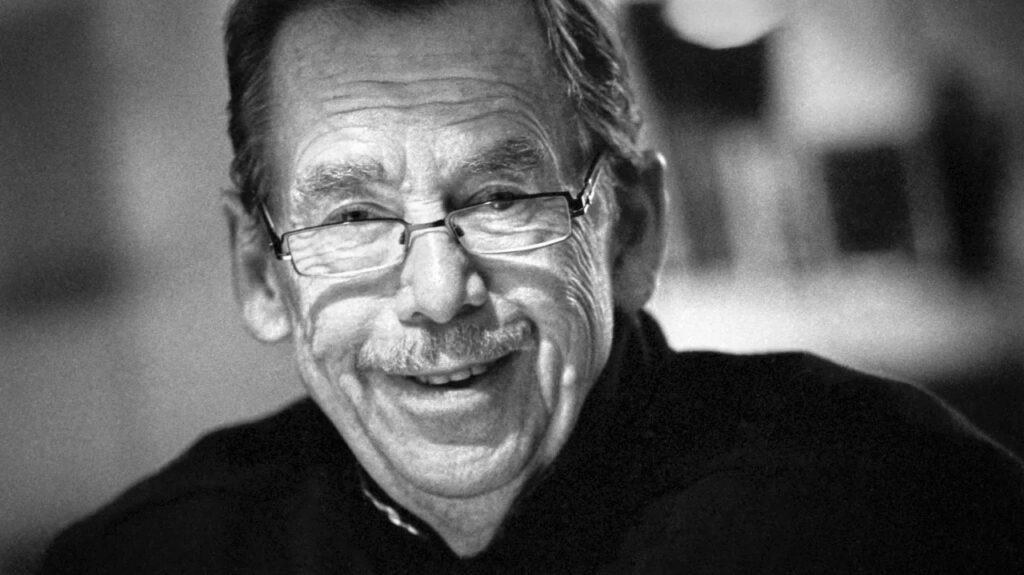
Václav Havel never sounded like a ruler. That was precisely his power. In a century defined by loud ideologies, loud politics, Havel’s voice emerged without force, without certainty, without performance. He talked like a writer who had been thrust into politics, not like a politician who had discovered the power of the written word. The […]
The Performance Trap: When Charisma Replaces Truth
But among all the enticing qualities a voice can have, charisma is possibly one of the most alluring. It is a quality that carries our attention, wins our trust, and carries us along emotionally. In limited doses, it can advance ideas. In overdoses, it supplants them. This is the performance trap: When how something is […]
Barack Obama and the Limits of a Beautiful Voice
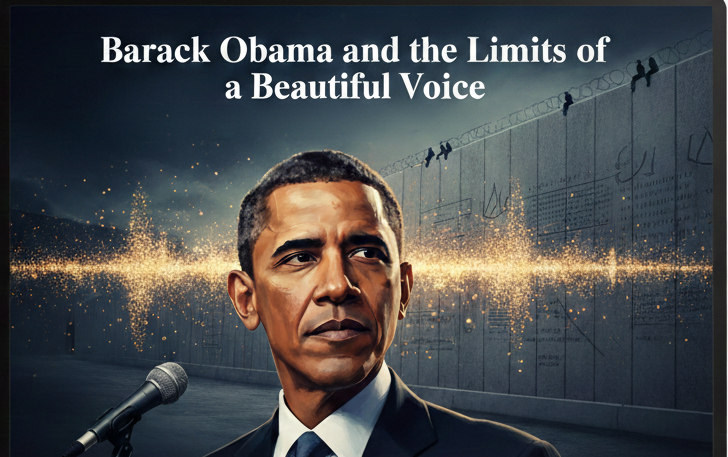
Barack Obama’s emergence was an instance—however brief—in which eloquence itself felt like renewal. Obama’s voice was the result of years in which political language had been dictated by discretion and control, and it renewed the idea that words could be noble again. His speeches were deliberate, contemplative, and baritonally exact. They were not cries of […]
Silence as a Language: When Saying Nothing Speaks Loudest
Silence frequently masquerades as absence, but silence in the world of man is presence of another sort. It takes up space without filling it, requiring attention without demanding it. In civilizations that valorize expression, silence implies weakness or subterfuge, yet history argues otherwise. Silence was used as a language, formal, calculated, and at times more […]
Greta Thunberg, the Uncomfortable Voice of a Generation
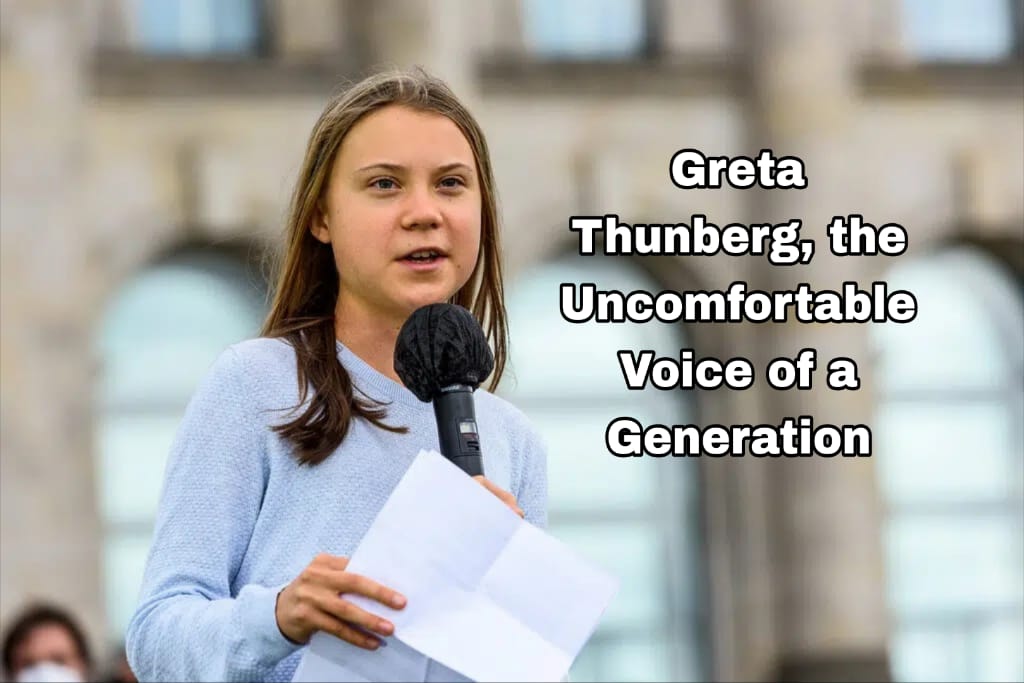
The voice of Greta Thunberg disrupted the world not because it was revolutionary but because it was unyielding and non-conformist. Greta Thunberg did not sound like a diplomat. Greta Thunberg did not sound optimistic, did not sound hopeful, but sounded so frustrated and angry because she was speaking so directly and unapologetically. The opposition to […]
The Accent We Trust: How Power Decided Which Voices Sound Intelligent

The notion of ‘neutral’ or ‘professional’ accent is, arguably, amongst the most persistent illusions of modern society. When referring to clear or intelligent speaking, it is merely the sound of historical power. It is judged not so much on merit, but on closeness to dominance. The colonial history forms the hierarchies of the world. English, […]
Martin Luther King Jr.: Why Moral Clarity Still Disturbs Power
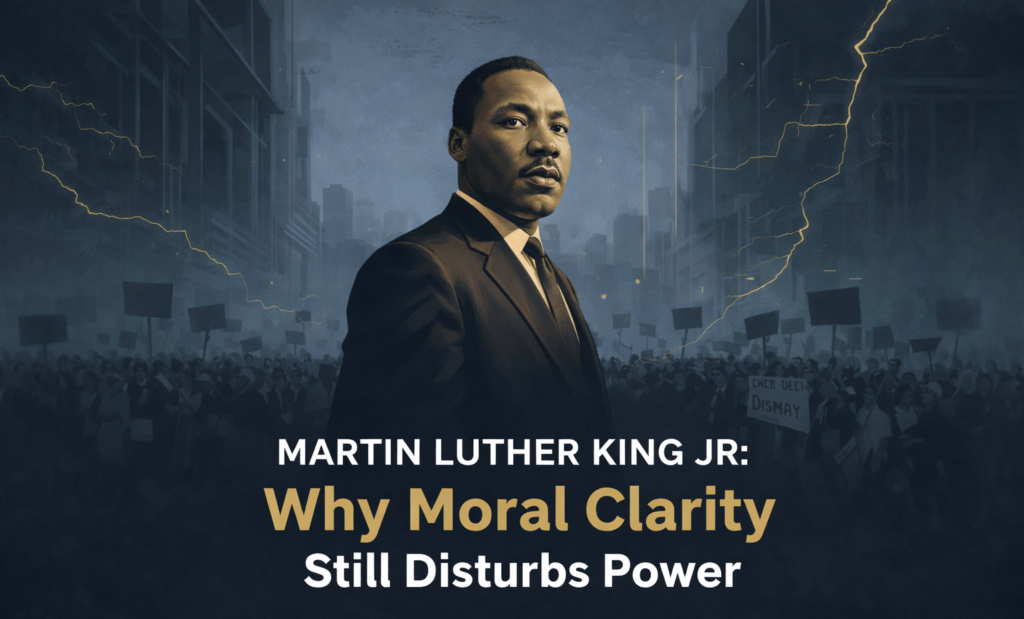
Martin Luther King Jr., however, is often remembered and referenced as an embodiment of harmony, yet it has been indicated that it was his edges, rather than his smoothness, that made him dangerous. Thus, Martin Luther King Jr., unlike the perception some have, did not shout for change, and he was not admired by everyone […]
The Moral Weight of a Voice: When Speaking Becomes Responsibility
A voice is morally relevant the moment it transcends the self. As soon as words extend beyond the self, they cease to be personal expression and become public force. This coincidence is not often remarked but constitutes the ethical edge of speaking. Inadvertently, influence translates to consequence. This has been the insight of the most […]
The Language of Reconciliation: Nelson Mandela
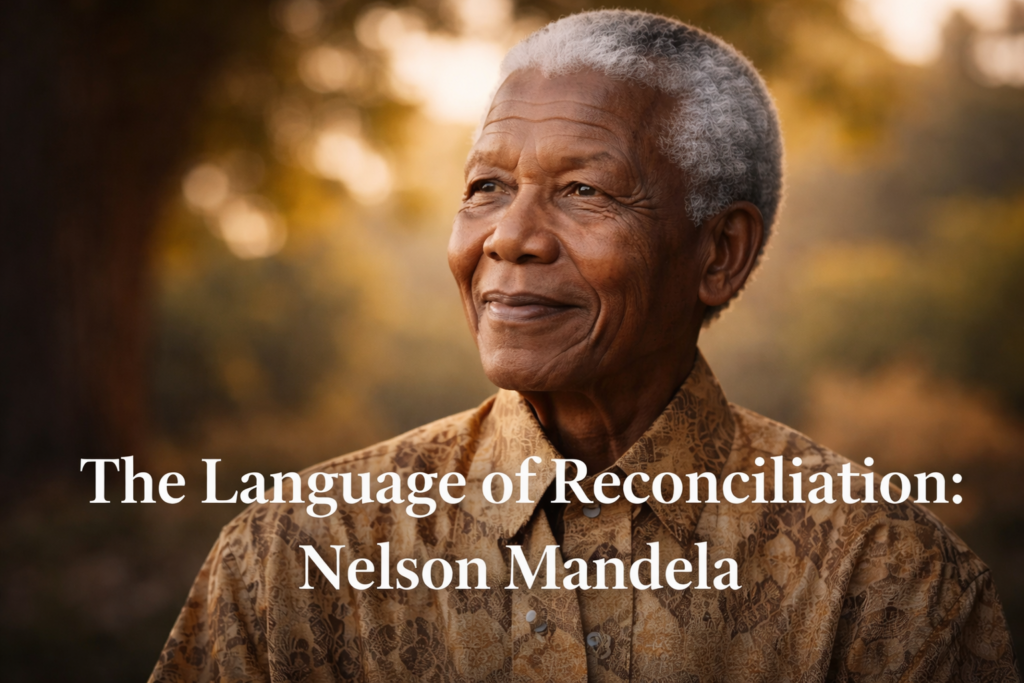
Upon his release from prison after a quarter of a century, Nelson Mandela was expected to deliver judgment to a world anxious to see the consequences of such a dramatic change in circumstances, to a world where history pointed to an expectation of judgment, to a world where there was every likelihood that judgment would […]
Why Humanity Has Always Followed Voices More Readily Than Facts

Human history has largely been portrayed as a movement of knowledge through the ages, but in truth, it has been a movement of belief. There has been access to facts throughout the ages, but facts have rarely been the governing powers. Instead, the movement of societies, even before the first book was ever written, was […]